



Drag is more than just an art form—it’s a celebration of identity, culture, and self-expression. For many, it’s a form of resistance, a way to challenge societal norms, and a powerful vehicle for storytelling. Seattle’s drag scene, known for its vibrant diversity and fierce creativity, is a testament to how drag performers use the stage to express who they are, make bold political statements, and tell captivating stories that resonate with audiences.
From elaborate costumes to intricate makeup and high-energy performances, drag shows in Seattle are a visual feast. But beyond the glitz and glamour lies the profound artistry of drag, which is both a personal journey and a public act of resistance and liberation.
1. Costumes: An Expression of Identity and Fantasy
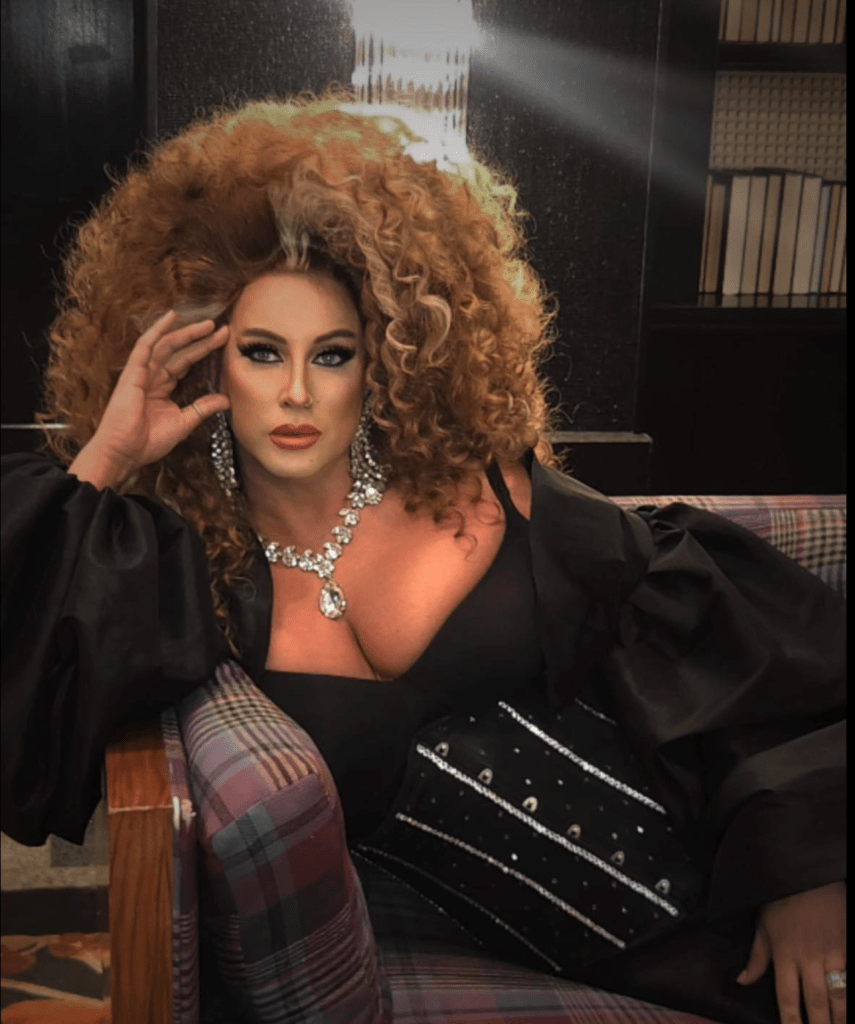
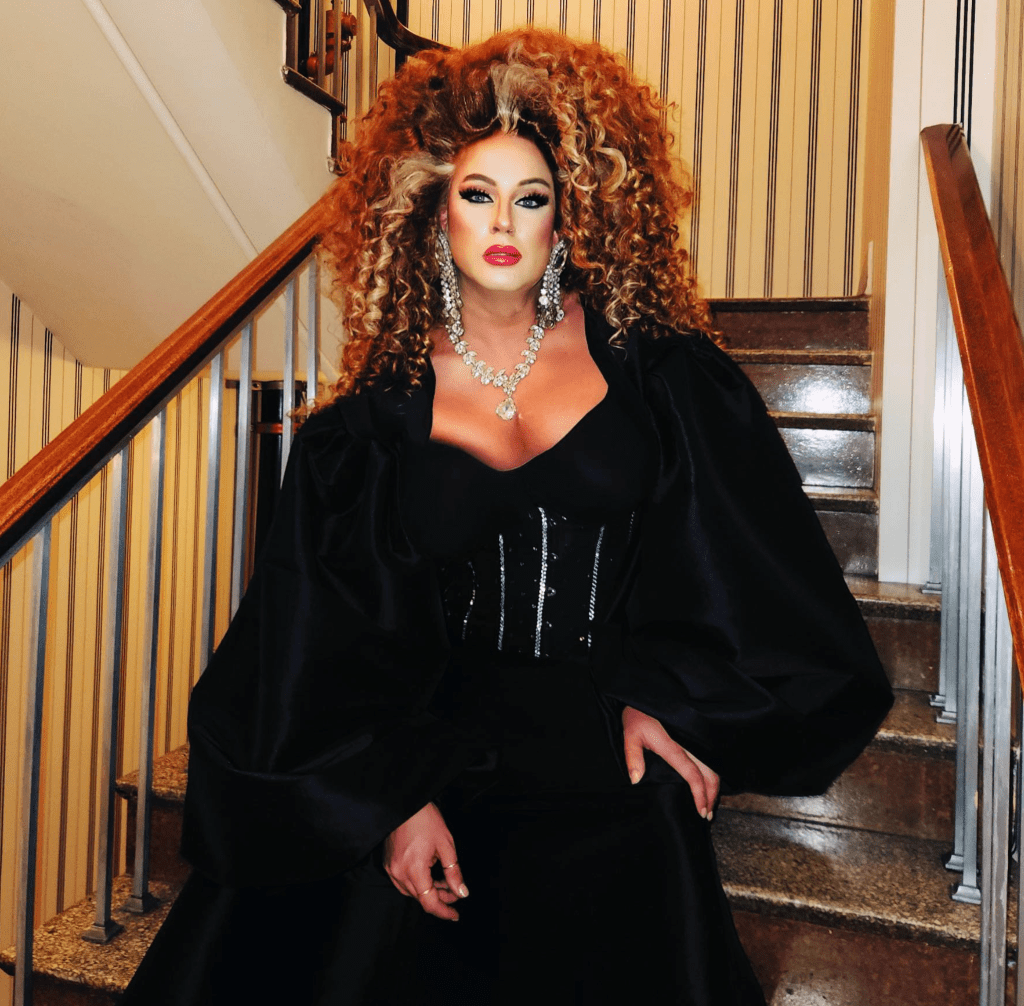
Drag costumes are more than just clothing—they are a form of transformation. In Seattle’s drag community, the artistry of costume design is a key element in conveying a performer’s identity, character, or message. For many drag artists, costumes are not just a way to look fabulous; they are a way to embody different personas, represent aspects of themselves, or push the boundaries of fashion and gender expression.Some performers may choose to evoke opulence with extravagant, high-fashion gowns that echo the glamour of Hollywood stars, while others embrace humor or irreverence, using campy, over-the-top outfits to make a political statement or satirical comment. For example, a queen might wear a beautifully ornate dress to represent femininity at its peak, while a gender non-conforming performer may deconstruct traditional notions of gender with an ensemble that blends masculinity and femininity in unexpected ways.


Seattle drag artists often use their costumes to break down barriers and invite audiences to think more deeply about the performance. Whether a queen is donning a custom-made gown inspired by Seattle’s space needle or a performer uses upcycled materials to create an eco-conscious look, the costumes become a personal canvas where a performer tells a unique story about who they are or what they stand for.
2. Wigs: The Crowning Glory of Performance
In drag, the wig is much more than just hair—it’s an integral part of a performer’s persona. Seattle drag performers often use wigs to amplify the fantasy of their characters and add an extra layer of drama to their performances. From towering beehives to sleek bobs, wigs serve as a symbol of transformation, helping a performer to shift not only their appearance but also their energy and presence on stage.
A wig can turn an ordinary person into an otherworldly figure. It’s an important tool for drag queens, kings, and non-binary performers alike to express different versions of themselves—whether it’s an exaggerated feminine aesthetic or an avant-garde, punk-inspired look. The sheer craftsmanship behind these wigs—how they are styled, colored, and constructed—becomes an essential part of the narrative, offering a glimpse into a performer’s creativity, skill, and dedication to their art.

Wigs, too, can carry meaning. A performer in Seattle may wear a wig with colors or shapes that represent something personal or political. In drag, every detail is deliberate, and hair is no exception.
3. Makeup: Transforming the Face, Transforming Identity
One of the most iconic aspects of drag is makeup—the ability to transform the face into an entirely new canvas. The intricacy of drag makeup allows performers to not only beautify but also alter their entire appearance. Seattle’s drag artists are known for their skillful application of makeup, which can range from hyper-realistic to fantastical.
Drag makeup is an art form that challenges traditional beauty standards, often exaggerating facial features to create a heightened version of beauty. Many Seattle drag artists go beyond simply “painting a face” and use makeup as a form of storytelling. A performer might contour their face in a way that gives them a more angular, fierce look to embody a character of power, or they might use vibrant, otherworldly colors to signal a whimsical or fantastical persona.


In Seattle, where the LGBTQ+ community has a long history of political activism, makeup is also a tool for rebellion. By choosing bold, non-conventional colors, textures, or shapes, drag performers can send a message about gender, sexuality, and beauty norms. The drag makeup look is often a statement against the idea that there is a “right” way to present oneself. Through makeup, Seattle’s drag artists are declaring that everyone has the right to define their own beauty.
4. Performance: Telling Stories Through Song, Dance, and Lip Sync
At its core, drag performance is about storytelling. Whether through lip-syncing, live singing, dancing, or comedic monologues, Seattle drag performers use their acts to convey emotions, share experiences, or challenge societal expectations.
Each performance is a carefully curated narrative, and the songs chosen are often deeply personal or political. Many drag queens choose songs that speak to their experiences as marginalized individuals or that amplify their voices as activists. A lip-sync performance of a classic ballad, for example, can be a cathartic moment of vulnerability, while a high-energy dance routine can embody empowerment and freedom.


For Seattle drag performers, storytelling through performance isn’t just about entertainment—it’s about creating connection. Drag performances can bring laughter, tears, and a sense of solidarity. Performers use their bodies to speak truths about identity, power, and resilience. The way a performer moves, the expressions on their face, and their interaction with the audience all contribute to the overall narrative they are telling.
Seattle is home to many drag queens who use their platform to speak on issues such as LGBTQ+ rights, racism, body positivity, mental health, and feminism. Through satire, humor, and powerful emotional delivery, they challenge audiences to think critically about the world around them.
5. Drag as Political Art: Making Statements Through Performance
Drag has long been a political tool. From the early days of Stonewall to modern-day protests, drag queens have used their art to make bold statements about the state of the world and fight for social justice. In Seattle, drag performers continue to use their art to challenge political systems, amplify marginalized voices, and advocate for change.
Whether it’s a fierce political roast of local politicians, a clever parody of the latest viral trend, or a tribute performance to an LGBTQ+ icon, Seattle drag artists weave activism into their performances. Drag is an act of resistance, a performance of power, and a celebration of the freedom to exist as one’s true self.
By pushing boundaries and questioning norms, drag performers in Seattle spark important conversations about identity, equality, and inclusivity. They show that drag is not just about entertainment but a form of cultural expression that has the power to change minds and inspire movements.
Conclusion: Seattle’s Drag Scene as a Canvas for Art, Identity, and Activism
The artistry of drag in Seattle is multifaceted—an intricate tapestry of costumes, wigs, makeup, and performance that tells stories of identity, love, resistance, and joy. Each drag show is a celebration of the individual performer’s unique voice, but it’s also a collective celebration of the freedom to express oneself without fear of judgment.
For Seattle’s drag performers, the stage is not just a platform for entertainment; it’s a space where they can make political statements, challenge gender norms, and invite audiences into a world of fantasy and emotion. Through their art, they offer not only an escape but a chance to think critically about the world we live in—and perhaps, how we might make it a little bit more fabulous.
Leave a Reply